
Confirm your age
Please verify that you are 18 years of age or older to enter this site.



Last Updated: September 4, 2026
The best drinks for cocktails start with quality spirits, but the real magic happens when you understand how flavours work together. Whether you are hosting a dinner party or simply fancy a treat after work, knowing what to pour makes all the difference. This guide from Letterbox Cocktails walks you through the essential bottles, mixers, and techniques so you can build impressive drinks at home without the fuss.
Drinks for cocktails are the individual components that come together to create a mixed drink. This includes the base spirit, such as gin, vodka, or rum, along with the mixers, sweeteners, and garnishes that shape the final flavour. A well-stocked home bar does not need dozens of bottles. In fact, many of the best drinks for cocktails rely on just a few quality ingredients used in different combinations.
Most classic recipes follow a simple structure: one base spirit, one sweet element, one sour element, and sometimes a bitter or aromatic accent. Understanding this framework helps you experiment with confidence. If a recipe calls for something you do not have, you can often swap in a similar ingredient and still get a delicious result.
The key is to think in terms of balance rather than memorising endless recipes. Once you grasp how sweetness, acidity, and strength interact, you can adapt almost any drink to your taste.
Building a home bar does not require a wall of bottles. A handful of quality spirits covers most classic cocktails and gives you plenty of room to explore. Start with these four base spirits and you can make dozens of well-known drinks.
A bottle of each lets you cover the classics without clutter. As you get more confident, add a liqueur like amaretto or triple sec, plus a bottle of bitters for depth.
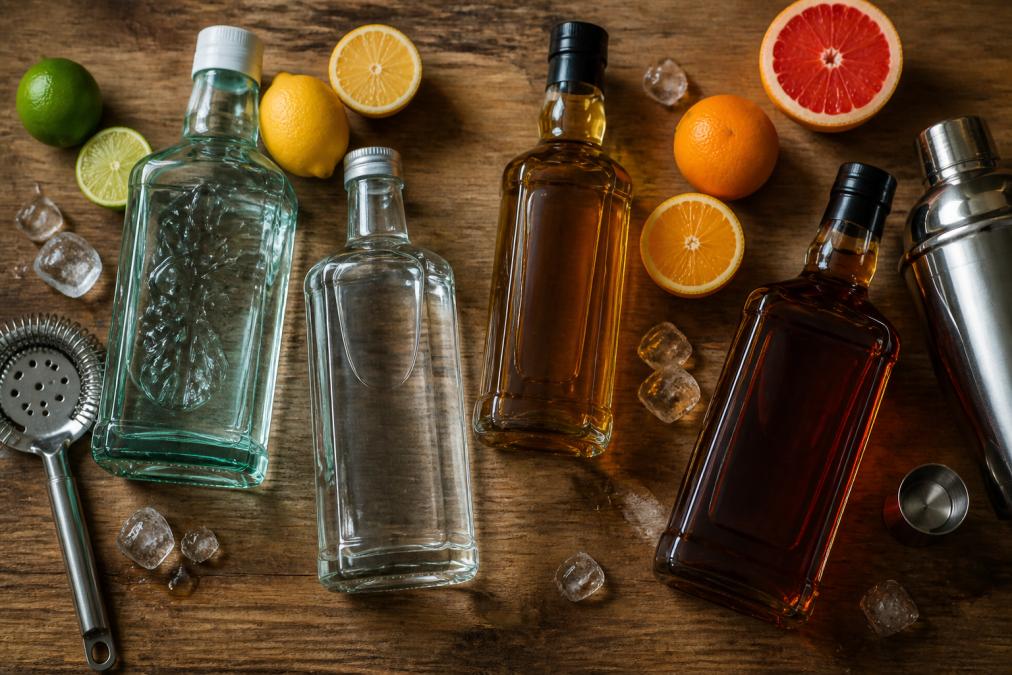
When you are buying spirits, you do not need the most expensive bottle on the shelf. Mid-range options often mix beautifully, and once combined with citrus and sweetness, subtle differences fade. Reserve premium bottles for sipping neat or for simple drinks where the spirit is the star.
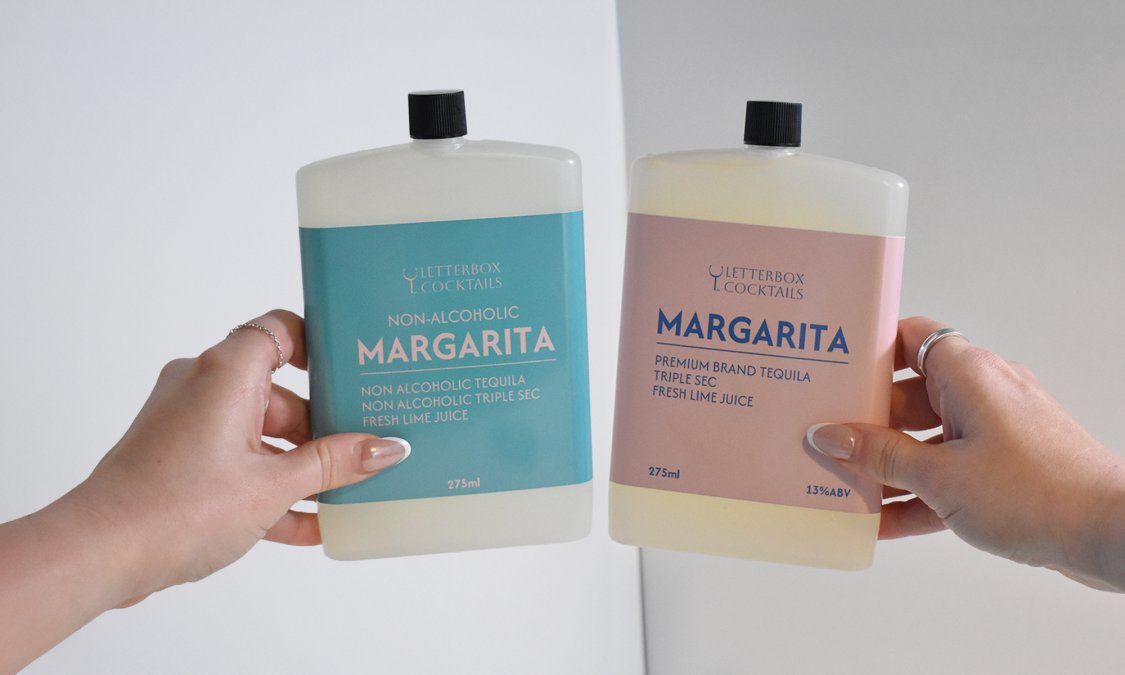
For those who want the cocktail experience without the investment in multiple bottles, ready-to-serve options are a smart shortcut. Letterbox Cocktails delivers premium premixed drinks straight through your letterbox, so you can skip the spirit shopping altogether.
Cocktail mixer essentials go beyond the fizzy drinks you pour on top. Fresh citrus juice is arguably the most important mixer of all, and it makes a noticeable difference to your drinks. Bottled juice cannot match the brightness of freshly squeezed lemon or lime, so squeeze your own where possible.
Simple syrup is another staple. It is just sugar dissolved in water, and it sweetens drinks without the graininess of granulated sugar. You can buy it ready-made or simmer equal parts sugar and water at home.
Tonic water and soda water are worth buying in good quality. A crisp tonic lifts a gin and tonic, while soda adds sparkle to highballs and spritzers without adding sweetness.
But mixers alone are not enough. To make the drinks in this guide, you need a few basic tools. The good news is you do not need much, and a starter set costs less than a single night out.
A cocktail shaker is the foundation. A Boston shaker (two metal cups that nest together) is what bartenders use. If you prefer something simpler, a sealed cocktail shaker with a built-in strainer works just as well.
A jigger measures your spirits and mixers accurately. Most have two sides, typically 25ml and 50ml. Guessing pours leads to unbalanced drinks, so this is worth the small investment.
A bar spoon is a long-handled spoon for stirring drinks like the negroni or martini. It doubles as a muddler for crushing mint or other herbs.
A strainer keeps ice and pulp out of your glass. A Hawthorne strainer (the one with the coil) fits most shakers.
A muddler crushes fresh herbs and fruit. A wooden one from a kitchen shop works perfectly.
These five items, shaker, jigger, bar spoon, strainer, and muddler, let you make nearly every classic cocktail. Many starter bar kits bundle them together for even better value.
Beyond the basics, a few premium mixers elevate your drinks. Fever-Tree and Schweppes make tonic waters that taste noticeably better than supermarket own-brand versions, the botanicals are more complex and the carbonation crisper. If you are making gin and tonics regularly, upgrading your tonic is the easiest way to improve the drink.
Fresh herbs matter too. Mint for mojitos, basil for modern spritzes, and rosemary for whiskey sours add layers of flavour that bottled syrups cannot match. Keep a small pot on your kitchen windowsill if you can.
When you are short on time or ingredients, premixed cocktail mixer essentials can save the day. Many of the drinks from Letterbox Cocktails come with hand-made garnishes included, so you get the full experience without hunting for fresh mint or citrus.
Mastering a few classic cocktails gives you a solid foundation. These recipes are simple, use common ingredients, and taste impressive. Here are three to start with.
Whiskey Sour
Mojito
Espresso Martini
Each of these drinks for cocktails follows the same basic method of measuring, shaking or stirring, and straining. Once you feel comfortable with these, branch out into stirred drinks like the negroni or the old fashioned. Stirring keeps the drink silky without the dilution and aeration that shaking brings.
Learning how to balance cocktail flavours is the difference between a drink that tastes professional and one that falls flat. The goal is harmony between sweet, sour, strong, and sometimes bitter elements.
A good starting ratio is two parts spirit to one part sweet and one part sour. A classic daiquiri follows this structure: 50ml rum, 25ml lime juice, and 20ml simple syrup. Taste as you go and adjust. If a drink tastes too sharp, add a little more syrup. If it tastes cloying, a squeeze of citrus will lift it.
When you are adjusting a drink, taste it properly. Take a small sip and let it sit on your tongue for a moment. Ask yourself: Does the spirit dominate, or is it balanced? Can you taste the citrus, or is it buried? Is there sweetness at the end, or does it finish dry? These questions help you diagnose what is missing.
If a drink tastes too strong or hot, the spirit is overpowering, add a touch more syrup or citrus to soften it. If it tastes thin or watery, you may have over-diluted it with ice, or the ratios are off. If it tastes flat, it usually needs more citrus or a dash of bitters to add complexity.
Temperature and dilution also matter. Shaking with ice chills the drink and adds water, which softens the alcohol and opens up the flavours. Stirred drinks like the negroni get less dilution, keeping them strong and spirit-forward. A well-shaken drink should be ice-cold and silky; a well-stirred drink should be cold but still crisp.
One of the easiest ways to impress at a dinner party is to serve a cocktail that complements your menu. Most guides focus on recipes alone, but matching a drink to food elevates the whole experience.
Light, citrus-forward drinks like a daiquiri or a gimlet pair beautifully with seafood, salads, and light starters. The acidity cuts through richness and refreshes the palate between bites.
Spirit-forward, bitter drinks like a negroni or an old fashioned work well with rich mains, beef, duck, or creamy pasta. The bitterness and strength stand up to bold flavours without being overwhelmed.
Herbal and floral drinks like a gin and tonic or a mojito suit lighter fare and outdoor entertaining. They are refreshing without being heavy, and the botanicals complement fresh herbs in your food.
Warming, spiced drinks like a whiskey sour or a hot toddy pair with desserts and cheese boards. The sweetness and warmth echo the end of a meal.
A simple rule: if your cocktail has a dominant flavour (citrus, herbs, spice, bitterness), choose a food that either echoes or contrasts with it. A mojito echoes fresh herbs in a ceviche; a negroni contrasts with the sweetness of a chocolate dessert.
For anyone who finds balancing flavours fiddly or wants to skip the pairing puzzle altogether, there is an easier route. Letterbox Cocktails creates drinks that are already balanced and ready to pour, so you get a professional result every time without any guesswork.
Non-alcoholic drinks for cocktails deserve just as much attention as their spirited counterparts. Good mocktails are not simply juices thrown together. They use the same principles of balance and structure, just without the alcohol.
Start with a base that has body and interest, such as a seedlip or a quality alcohol-free spirit. Add citrus for acidity and a syrup for sweetness, then top with soda or tonic for sparkle. Herbs and spices add complexity, so do not be afraid to muddle mint, basil, or ginger.
A simple alcohol-free spritz works well: combine a splash of alcohol-free aperitif with soda water and a twist of orange over ice. For something richer, shake alcohol-free gin with lime juice and syrup for a clean, crisp cooler.
These drinks are perfect for guests who are not drinking, or for anyone who wants a sophisticated option without the alcohol. With the right ingredients, a mocktail can be just as memorable as a classic cocktail.
Sometimes you want the quality of a well-made cocktail without the effort of measuring and shaking. Ready-made drinks for cocktails have come a long way, and the best ones taste remarkably close to something you would order at a bar.
Letterbox Cocktails offers a range of premium, ready-to-drink options delivered across the UK. Their build your own cocktail boxes let you handpick your favourites, while the Ultimate Party Pack with six full-size cocktails covers a crowd with no mixing required. Each bottle arrives with serving instructions and handmade garnishes, so you simply pour and enjoy.

Option |
Best For |
What You Get |
|---|---|---|
Build Your Own Box |
Personalised gifts and trying new flavours |
Your choice of 3 or 6 mini cocktails |
Ultimate Party Pack |
Celebrations and sharing |
6 full-size cocktails in different flavours |
Go Bigger Party Pack |
Groups and events |
12 cocktails in 4 flavours of your choice |
These are ideal for parties, gifts, or simply stocking your home bar with quality options. The presentation is beautiful too, which makes them a popular choice for wedding favours and corporate gifting.
Good drinks for cocktails come down to quality ingredients, the right proportions, and a little practice. Start with a few essential spirits, master a handful of classic recipes, and learn how to balance sweet and sour. Before long, you will be making drinks that rival your favourite bar.
If you would rather skip the measuring, Letterbox Cocktails delivers premium, ready-to-serve cocktails straight to your door. With personalised gift options, wedding favours, and corporate gifting available, you can enjoy bar-quality drinks at home with zero effort. Get started with Letterbox Cocktails and make your next celebration one to remember.
The core spirits you'll need are gin, vodka, rum, and whiskey. These cover most classic cocktail recipes. Add a quality vermouth, some bitters, and a few liqueurs like triple sec or amaretto, and you've got the foundation for dozens of drinks. Start with one or two spirits and build from there rather than buying everything at once.
Good mixers include fresh citrus juice (lemon and lime), simple syrup, tonic water, and soda water. The key is freshness—always use fresh citrus juice rather than bottled, as it makes a huge difference in flavour. For bitters and aromatics, choose brands that complement your chosen spirit. Avoid overly sweet mixers that mask the quality of your base spirit.
The classic approach uses the 3:2:1 rule: three parts base spirit, two parts sour (citrus juice), and one part sweet (syrup or liqueur). This creates harmony between the strong, the sharp, and the smooth. Taste as you go and adjust to your preference. Some drinkers prefer more citrus for zesty drinks, while others like more sweetness. Bitters add complexity—start with a dash and build up.
Absolutely. You really only need a shaker, a mixing glass, a bar spoon, and a strainer. A jigger helps with accurate measurements. Fresh ice is crucial—use larger cubes if possible, as they melt slower and dilute less. Clear serving instructions printed on quality ready-made cocktails can guide you if you're just starting out, and brands like Letterbox Cocktails deliver premium options that arrive ready to serve.
This article was written using GrandRanker
Share


£19.95 GBP
Unit price per