
Confirm your age
Please verify that you are 18 years of age or older to enter this site.



Last Updated: September 3, 2026
The 2:1:1 rule for cocktails is a foundational formula that guides home bartenders towards balanced drinks. It means 2 parts base spirit, 1 part sweetener, and 1 part sour component (typically citrus juice). This simple ratio creates harmony between the dominant flavour, the sweetness, and the acidity that brings everything into focus.
Think of it as a blueprint rather than a rigid law. A margarita follows this formula perfectly. So does a daiquiri, a sidecar, and countless other classics. Once you understand why this proportion works, you can adapt it to different spirits and adjust for personal preference.
At Letterbox Cocktails, we've seen how this simple ratio transforms home entertaining. Whether you're mixing your first cocktail or refining your technique, the 2:1:1 rule gives you a solid starting point that actually tastes good.
Cocktail making can feel intimidating. The 2:1:1 rule cuts through that noise because it solves a real problem: how do you build something that tastes balanced without years of bar experience?
Your base spirit provides the backbone and alcohol content. The sweetener softens the sharp edges of the alcohol and adds body. The sour component brightens the whole drink and prevents it from becoming cloying. When these three elements sit in the right proportion, they complement rather than fight each other.
Beginners benefit most from this formula because it removes guesswork. You're following a proven template that professional bartenders have used for over a century. Once you understand why this proportion works, you can adjust it for different spirits with higher proof, or for different palates that prefer more sweetness or more acid.
Every balanced cocktail rests on three pillars. Understanding what each one does makes you a better home bartender.
Your base spirit is the foundation. It's usually 50% of your drink by volume, and it determines the character of everything else. A gin-based cocktail tastes completely different from a rum-based one, even when you use identical sweetener and citrus juice.
The proof of your spirit matters. Higher-proof spirits (above 40% ABV) have more alcohol burn and flavour intensity. When you're using a spirit above 45% ABV, some bartenders scale back the sweetener slightly or add a touch more citrus to keep the balance sharp.
Different spirits pair naturally with different sweeteners and sours. Rum works beautifully with lime juice and simple syrup. Whiskey suits lemon juice and honey. Gin loves citrus and often works with herbal liqueurs as the sweetener.
The sweetener does more than just add sugar. It adds body to your drink, softens the alcohol burn, and creates a fuller mouthfeel. In the 2:1:1 ratio, this is your 1 part of the formula.
Simple syrup is the most common choice. It's easy to make (equal parts sugar and water, dissolved and cooled) and blends seamlessly into cold cocktails. Many home bartenders keep a bottle in the fridge because it's so versatile.
Some cocktails use liqueurs as part or all of the sweetener. A margarita often includes Cointreau or triple sec. These liqueurs add flavour complexity on top of sweetness, which is why the same 2:1:1 ratio can produce drinks that taste quite different from each other.
Acidity is what makes a cocktail feel alive. Fresh citrus juice, lemon or lime, is almost always your sour component in the 2:1:1 formula.
Fresh juice matters. Bottled juice, cordials, and sour mixes don't deliver the same brightness or complexity. Fresh lemon juice has a different character than fresh lime juice. The acidity in citrus juice balances both the sweetness and the alcohol, bringing brightness to the front of your palate and preventing the drink from feeling heavy.
Making a balanced cocktail with the 2:1:1 ratio is straightforward once you understand the components.
Step 1: Choose your base spirit. Pick a spirit you enjoy drinking. This will be your 2 parts. A 50ml measure of gin, rum, vodka, or whiskey works well for a single drink.
Step 2: Measure your sweetener. Pour 25ml of simple syrup into your mixing vessel. This is your 1 part sweetness.
Step 3: Add your citrus juice. Squeeze fresh lemon or lime juice until you have 25ml. This needs to be fresh, not bottled.
Step 4: Add ice. Fill your shaker or mixing glass with ice. The ice will chill the ingredients and dilute the drink to the right strength.
Step 5: Shake or stir. For most sour-style drinks (those with citrus juice), shake vigorously for about 10 seconds. This chills the drink, dilutes it properly, and creates a slight foam on top.
Step 6: Strain into a glass. Use a fine strainer to catch any ice shards. Serve immediately.
The result should taste balanced. The spirit comes through, but it's not harsh. The sweetness is present but not cloying. The citrus brightness ties everything together.
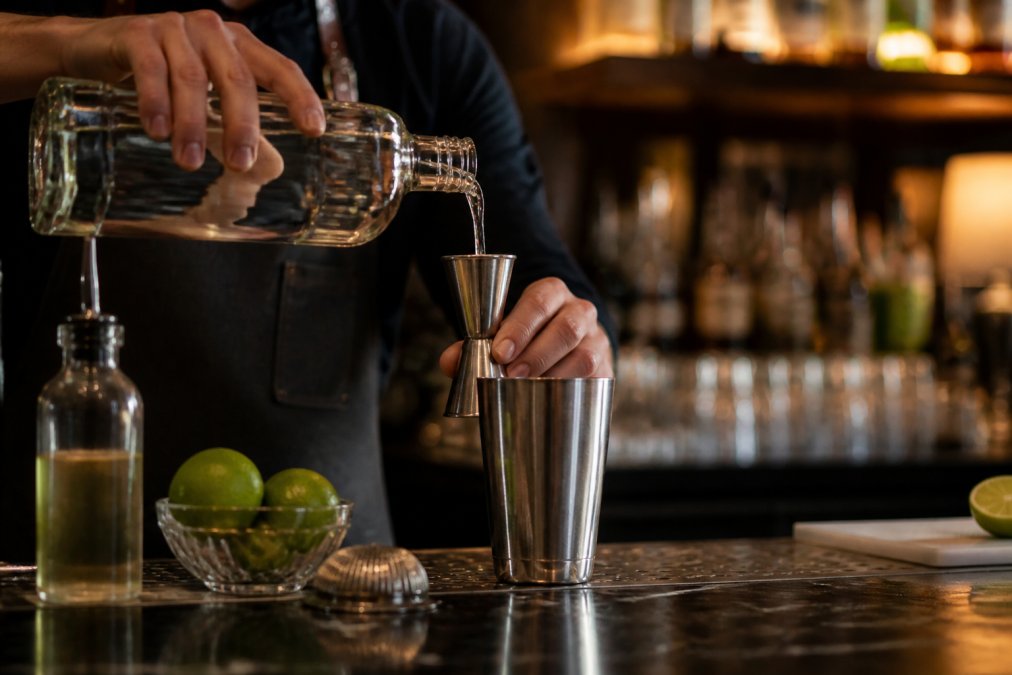
Precision matters in cocktails. A jigger, a small measuring cup usually marked with different volumes, is your best friend here.
Most jiggers have two sides: a larger measure (usually 50ml) and a smaller one (usually 25ml). When you measure, fill the jigger completely to the top line. Don't estimate or pour by eye.
The 2:1:1 ratio scales easily. Two cocktails would be 100ml spirit, 50ml sweetener, 50ml citrus. Four cocktails would be 200ml, 100ml, 100ml. The proportions stay the same.
Temperature and dilution also affect how your drink tastes. A properly chilled and diluted cocktail tastes smoother and more balanced than one that's too warm or too concentrated. This is why shaking or stirring with ice isn't optional, it's part of the recipe.
Once you understand the formula, you'll recognise it in classics you've probably heard of or tasted.
The Daiquiri is perhaps the purest expression of the 2:1:1 ratio. It's 50ml white rum, 25ml fresh lime juice, and 25ml simple syrup. When you taste a proper daiquiri, you understand immediately why this ratio works: the rum is bright and present, but the citrus and sweetness keep it smooth.
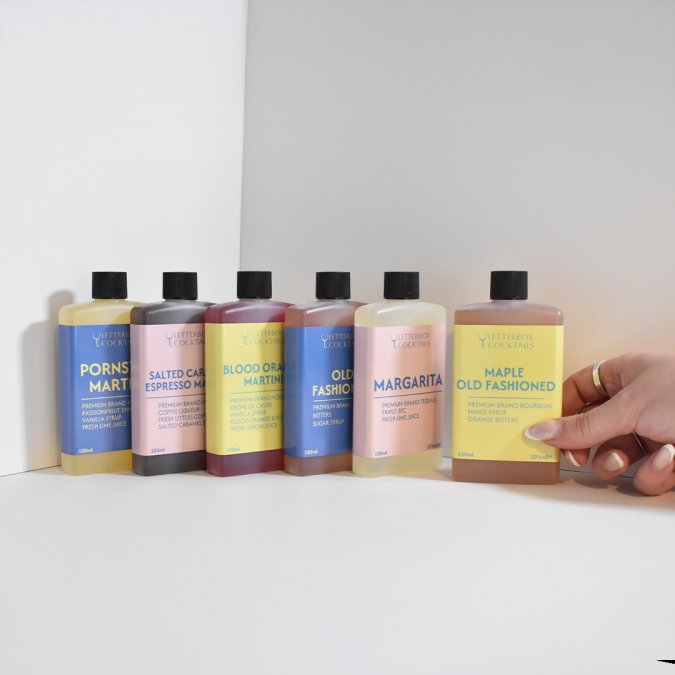
The Margarita follows the same formula, just with different spirits. It's typically 50ml tequila, 25ml Cointreau (or another orange liqueur), and 25ml fresh lime juice. The Cointreau adds a subtle orange note alongside the sweetness. If you'd like to experience a perfectly balanced margarita without the mixing, try our Margarita from Letterbox Cocktails.
The Sidecar uses 50ml Cognac, 25ml Cointreau, and 25ml fresh lemon juice. The Cognac is richer and more complex than white rum or tequila, but the same balance principle applies.
The Gimlet is 50ml gin and 25ml fresh lime juice, with just a touch of simple syrup. This one skews more towards the citrus side because gin already has plenty of botanical complexity.
The point is to see that the 2:1:1 ratio appears across dozens of classic cocktails. Once you can make one of them well, you can make them all.
The 2:1:1 ratio isn't the only way to build a cocktail. Understanding the alternatives helps you know when to stick with the formula and when to adjust.
The 3:2:1 ratio is another classic formula, often used for drinks where the spirit is meant to dominate even more. This is 3 parts base spirit, 2 parts sweetener, and 1 part sour. It creates a spirit-forward cocktail that tastes drier and more intense.
The 2:1:0.5 ratio reduces the citrus component. It's used when you want a sweeter, smoother drink, or when you're working with a spirit that's already quite acidic or herbal.
Spirit-forward cocktails like the Martini or Manhattan don't follow the 2:1:1 ratio at all. They're mostly spirit with small amounts of other ingredients. These drinks are for sipping slowly, and they demand premium spirits because there's nowhere to hide inferior quality.
The 2:1:1 ratio sits in the sweet spot for balanced, refreshing cocktails. It's forgiving enough that minor variations don't ruin the drink, but precise enough that you can taste when something's off.
Even when you follow the 2:1:1 ratio exactly, sometimes a drink doesn't taste right. Usually, the problem is one of these three things.
The drink tastes too strong or alcoholic. This usually means your spirit was higher proof than expected, or your citrus juice wasn't fresh enough. If you're using a particularly strong spirit, try scaling back the spirit to 45ml and adding 5ml extra citrus juice. Fresh lemon or lime juice is crucial; if you've been using bottled juice, switch to fresh and you'll notice an immediate difference.
The drink tastes too sweet. This often happens when your simple syrup is too concentrated, or when you're using a liqueur that's sweeter than you expected. If your drink tastes cloying, add a small squeeze of fresh citrus (just 5ml or so) to brighten it up.
The drink tastes flat or one-dimensional. This usually means the citrus juice is the culprit. Bottled juice or juice that's been sitting for days tastes flat. The cure is always fresh juice squeezed right before you mix.
Temperature and dilution also matter. If your drink tastes harsh or too strong, it's probably not cold enough or not diluted enough. Shake or stir longer with plenty of ice. Proper dilution (usually about 20-25% of the final drink's volume) is what transforms a harsh spirit into something smooth and drinkable.
Making balanced cocktails at home doesn't require fancy equipment or years of practice. The 2:1:1 rule gives you a proven formula that works across dozens of classic drinks. Start with fresh ingredients, measure carefully, and you'll create cocktails that taste as good as anything a bartender would make.
If you want to explore more cocktail options, Letterbox Cocktails offers a range of ready-made drinks that showcase the 2:1:1 ratio perfectly. You can build your own boxes to create a personalised collection that matches your taste and your occasion, or browse our selection of classic cocktails delivered straight to your door across the UK.
The 2:1:1 ratio uses equal parts sweetener and sour (1 part each) with twice as much base spirit. The 3:2:1 ratio increases the spirit (3 parts) and the sweetener (2 parts) while keeping the sour at 1 part, creating a stronger, less balanced drink. The 2:1:1 is better for beginners because it's easier to remember and produces consistently balanced cocktails. The 3:2:1 works better for high-proof spirits where you want more sour and sweet to cut through the alcohol.
The 2:1:1 rule works brilliantly for sour-style drinks like margaritas and daiquiris, but not all cocktails follow this formula. Stirred drinks like martinis and negronis use different ratios entirely. However, once you understand how the 2:1:1 formula creates equilibrium between spirit, sweetener, and acid, you can adjust it for different spirits, proof levels, and flavour profiles. It's a starting point, not a hard rule for every drink.
Higher-proof spirits need more sweetener and citrus juice to balance the alcohol burn. For a 40% ABV spirit, use the standard 2:1:1. For a 50% ABV spirit, you might consider increasing the sweet and sour slightly. Lower-proof liqueurs might need less sour. Taste as you go, and remember that dilution from shaking also affects the final mouthfeel. Your palate is the best guide once you understand the basic formula.
You'll need a jigger for accurate measurements, a cocktail shaker, and a bar spoon for stirring. The Letterbox Cocktails cocktail shaker (£8.00) is a sleek stainless steel option that makes mixing easy without any bartender experience. A jigger ensures you hit the exact proportions, and a bar spoon helps with stirring and dilution. You don't need fancy glassware to start, though coupe glasses or rocks glasses suit different cocktails.
This article was written using GrandRanker
Share


£19.95 GBP
Unit price per