
Confirm your age
Please verify that you are 18 years of age or older to enter this site.



Last Updated: September 4, 2026
The 3:2:1 rule in bartending is a simple ratio for building balanced sour-style drinks: three parts base spirit, two parts acid, and one part sweetener. This formula gives you a reliable starting point for mixing cocktails that taste professional, whether you are shaking up a Margarita or experimenting at home. At Letterbox Cocktails, we love this rule because it takes the guesswork out of mixing and helps you understand why some drinks just work.
The beauty of the 3:2:1 rule bartending method is that it creates structure. You are not randomly pouring; you are following proportions that deliver a balanced cocktail every time. Many home bartenders find that this ratio instantly improves their drinks, and it is the foundation behind countless classic recipes. Below, we will show you exactly how to apply it, what tools you need, and how to adjust it to your own taste.
Understanding the three components is the secret to mastering cocktail structure. Each part has a job, and together they create the flavour profile you recognise in a well-made drink. Once you grasp these roles, the ratio becomes second nature rather than a rule you have to memorise.
The base spirit is the star of the show, providing the alcohol content and the dominant character. Think of the tequila in a Margarita or the gin in a Gimlet. Using three parts of a quality spirit ensures your drink remains spirit-forward, so the flavour is not lost among the other ingredients. A common mistake is being shy with the pour, which leaves you with a weak, watery result.
Acid brings brightness and cuts through the richness of the spirit. Fresh citrus juice, such as lime or lemon, is the standard choice, but you can also use other acidic components for variety. The two parts of acid are what keep the drink refreshing and prevent it from tasting flat or syrupy. Tartness is essential here, as it balances the sweetness and lifts the whole cocktail.
Sweetener rounds off the sharp edges of the acid and adds viscosity to the drink. Simple syrup is the most common option, though you might use agave nectar or a flavoured syrup for a twist. That one part of sweetness is crucial; too much and the drink becomes cloying, too little and it tastes harsh. This acid-sugar balance is what defines a well-made sour-style drink.
Getting your proportions right is impossible without the proper cocktail measuring tools. Eyeballing your pours leads to inconsistency, which is the quickest way to ruin a good recipe. A jigger is your best friend here, as it gives you exact pour measurements for every ingredient.

Types of Jiggers and How to Use Them
The most common jigger is the double-sided type, with a larger cup on one end and a smaller cup on the other. Standard sizes are 50ml/25ml or 45ml/30ml, which map perfectly to the 3:2:1 ratio. For a single cocktail using the 3:2:1 rule, you would measure 45ml of base spirit, 30ml of citrus juice, and 15ml of simple syrup. Some bartenders prefer a single-sided jigger with measurement lines marked at 5ml intervals, which gives you more flexibility when scaling recipes or adjusting for taste.
Angled jiggers (also called Japanese-style) have sloped sides that make it easier to see the liquid level and pour more precisely. If you are mixing for a group, a larger 60ml/30ml jigger speeds up the process without sacrificing accuracy.
Scaling the 3:2:1 Ratio for Batches
Once you understand the basic 3:2:1 proportions, scaling is straightforward. For a pitcher serving four people, multiply each part by four: 180ml spirit, 120ml citrus, 60ml syrup. For a larger batch of eight, double those numbers again. The key is to keep the ratio consistent, if you change one part, the others must change proportionally, or your drink will taste unbalanced.
A common mistake is adding ingredients by eye or using kitchen spoons instead of a jigger. Kitchen teaspoons and tablespoons are not standardised for cocktails and will throw off your measurements. Stick to your jigger, even when you think you know the amount by feel. Consistency is what separates a home bartender from someone who makes the same drink the same way every time.
Why Measurement Matters More Than You Think
The difference between 30ml and 35ml of citrus might seem small, but it shifts the entire balance of your drink. Too little acid and your cocktail tastes flat and syrupy; too much and it becomes mouth-puckeringly sour. Similarly, a jigger ensures you are not accidentally pouring 50ml of spirit when you meant 45ml, which would throw off the ratio and leave you with a drink that burns rather than balances.
Invest in a jigger with clear measurement lines and a comfortable grip. It makes recipe scaling for parties far simpler, and you will find your drinks taste noticeably more consistent within a few tries. If you are serious about mixing, consider keeping two jiggers on hand, one for the spirit and one for the citrus and syrup, so you can work faster without rinsing between pours.
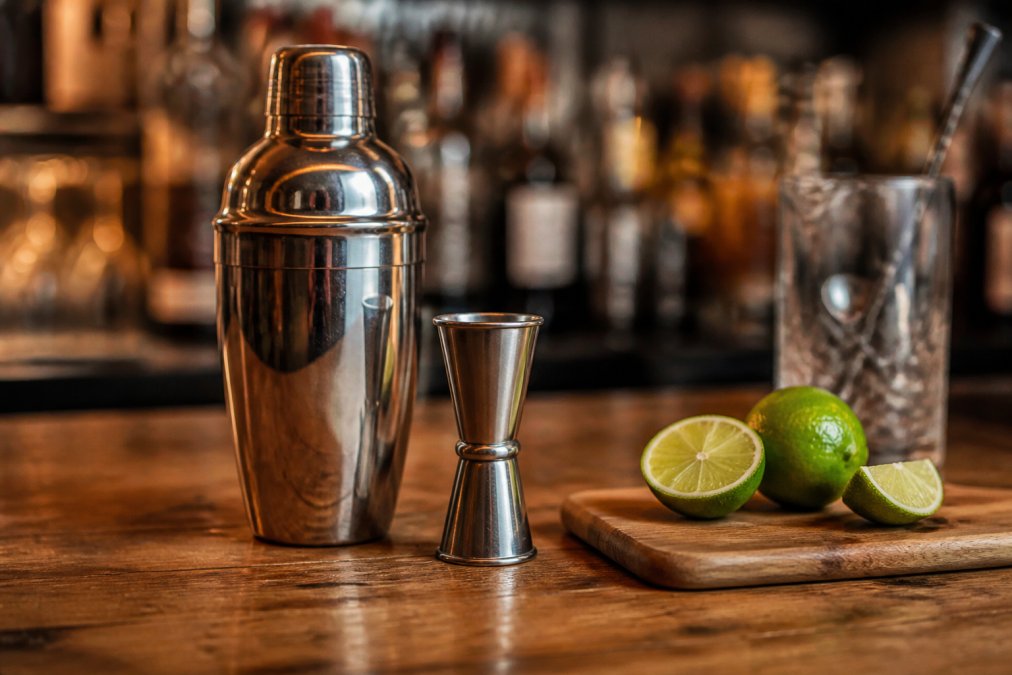
Balancing a cocktail is about more than just following a recipe; it is about tasting and adjusting. Start by adding your three parts of base spirit, two parts of fresh citrus, and one part of sweetener into your shaker. The order matters less than the measurements, but adding the spirit first helps you track your pours.
Once everything is in the shaker, add ice and shake vigorously for about ten to fifteen seconds. Shaking chills the drink and adds dilution, which softens the alcohol burn and blends the flavours. After you strain it into your glass, taste it before serving. If it tastes too sharp, add a touch more sweetener; if it tastes too sweet, a splash more citrus will fix it. This troubleshooting approach is exactly how bartenders refine their recipes.
Many beloved classics follow this ratio closely, which proves how effective it is. The Margarita is a perfect example, using tequila, lime juice, and orange liqueur or agave syrup. Similarly, a Daiquiri uses rum, lime juice, and simple syrup for a clean, refreshing drink.
You can also explore the golden ratio variations that appear in other recipes. A Whiskey Sour swaps the base spirit for bourbon, while a Gimlet uses gin and lime. Each of these drinks showcases how versatile the 3:2:1 rule bartending method can be across different spirits and palates.
| Classic Drink | Base Spirit (3 parts) | Acid (2 parts) | Sweetener (1 part) |
|---|---|---|---|
| Margarita | Tequila | Lime juice | Agave syrup |
| Daiquiri | White rum | Lime juice | Simple syrup |
| Whiskey Sour | Bourbon | Lemon juice | Simple syrup |
| Gimlet | Gin | Lime juice | Simple syrup |
Most guides overlook ice, but dilution and temperature are what turn a good drink into a great one. The 3:2:1 ratio you measure is only the starting point; what happens when you add ice is what actually determines whether your drink tastes balanced or harsh.
How Ice Dilution Changes Your Drink
When ice melts during mixing, it adds water that opens up the flavours and softens the alcohol content. A well-diluted cocktail typically contains 20-25% water by volume after shaking or stirring. Without this dilution, your cocktail will taste hot and overly strong, no matter how perfect your ratio is on paper. The water from melting ice is not a flaw, it is essential to the final flavour.
The amount of dilution depends on how you mix the drink. Shaken cocktails get more dilution (around 25% water) because the ice moves vigorously and melts faster. Stirred cocktails get less (around 15-20% water) because the motion is gentler. For a citrus-forward drink like a Margarita or Daiquiri, the extra dilution from shaking is ideal because it softens the acid and balances the sweetness. For spirit-forward drinks like a Martini or Negroni, stir with ice for about thirty seconds to chill without over-diluting.
Temperature and Flavour Perception
Cold temperatures numb your taste buds slightly, which means a chilled cocktail will taste less sweet and less acidic than the same drink at room temperature. This is why you should always serve a 3:2:1 drink ice-cold. If your drink sits on the bar and warms up, the sweetness becomes more obvious and the balance shifts. The citrus also becomes sharper as the drink warms, which can make it taste unpleasantly sour.
Using fresh, quality ice also matters. Old ice or ice made from tap water can carry odours and mineral flavours that taint your drink. If you are serious about mixing, use filtered water to make your ice, or buy fresh ice from a supplier. Cloudy ice melts faster than clear ice, so if you want slower dilution, clear ice is worth the investment.
Diagnosing Dilution Problems
If your drink tastes watery or weak, you likely over-diluted it. This usually happens when you shake for too long (more than 15 seconds) or use crushed ice instead of cubes. Crushed ice has more surface area, so it melts faster and adds too much water. Switch to large ice cubes and shake for 10-12 seconds instead.
Conversely, if a drink tastes hot and burns going down, it needs more dilution. This often means you did not shake long enough, or you used very cold ice that did not melt enough during mixing. Shake for a full 15 seconds and make sure your ice is not too hard or too old.
A drink that tastes balanced when you first pour it but becomes unbalanced as it sits is suffering from temperature change. Serve it in a pre-chilled glass and drink it quickly. If you are making cocktails for a group, chill your glassware in the freezer for at least 5 minutes before pouring.
The 3:2:1 rule is a starting point, not a law. Your personal preference should guide the final balance, and you should feel free to tweak the proportions to suit your palate. If you prefer a sweeter drink, increase the sweetener slightly; if you like more bite, add a little more citrus.
Bartender techniques often involve adjusting for the specific ingredients you use. A particularly tart lemon might require less acid, while a sweeter liqueur could mean you need less simple syrup. The golden ratio of three, two, and one gives you a reliable baseline, but the joy of mixology is experimenting until you find what tastes right to you. For those who want a non-alcoholic alternative, swap the base spirit for a quality alcohol-free option and keep the same ratio.
Even with the right proportions, drinks can sometimes taste off. The most common issue is a drink that is too sweet or too sour, which usually means your ingredients vary in strength. Citrus fruits differ in tartness, and syrups differ in sweetness, so adjust accordingly rather than sticking rigidly to the recipe.
Another frequent problem is a drink that tastes watery or weak. This usually points to too much dilution, often from shaking for too long or using crushed ice when cubed is better. Conversely, a drink that burns going down likely needs more ice or a longer shake to chill and dilute it properly. Ingredient density also plays a part; heavier syrups sink, so always give your drink a good stir before serving to ensure everything is combined.
For effortless, perfectly balanced cocktails without the measuring, explore the ready-to-drink options from Letterbox Cocktails, delivered straight to your door. If you enjoy mixing yourself, the build your own boxes let you craft a personalised gift while keeping the quality high.
The 3:2:1 rule represents the proportions of three key ingredients in a balanced cocktail: 3 parts base spirit (like gin or rum), 2 parts acid (usually fresh citrus juice), and 1 part sweetener (typically simple syrup). This ratio creates a harmonious balance between the strength of the alcohol, the brightness of citrus, and the smoothness of sweetness. It's a foundational formula that works for sour-style drinks and many classic cocktails. Once you understand this ratio, you can adjust it slightly to suit your palate preferences.
To balance a cocktail, measure your ingredients using a jigger: pour 3 parts base spirit into a shaker, add 2 parts fresh citrus juice, then 1 part simple syrup. Add ice and shake vigorously for about 10 seconds until the shaker feels cold on the outside. Strain into a chilled glass. The dilution from ice softens the alcohol and creates the right mouthfeel. Taste and adjust: if it's too sharp, add a touch more sweetener; if it's too sweet, add a bit more citrus. Practice with the same measurements a few times to train your palate.
The 3:2:1 ratio is the foundation for many classic cocktails. A Margarita uses 3 parts tequila, 2 parts lime juice, and 1 part Cointreau (or triple sec), then salt on the rim. A Daiquiri follows 3 parts rum, 2 parts fresh lime juice, and 1 part simple syrup. A Sour uses 3 parts spirit (whiskey, brandy, or gin), 2 parts lemon juice, and 1 part simple syrup. These proportions create spirit-forward drinks with balanced tartness and smoothness. Some bartenders adjust slightly, adding a touch more citrus for brightness or more syrup for a softer profile, but the 3:2:1 method is your reliable starting point.
The 3:2:1 rule removes the guesswork from home bartending. Instead of searching for dozens of recipes, you have one simple formula that produces consistently balanced drinks every time. It teaches you how cocktail structure works: how the base spirit provides flavour and strength, acid adds brightness and cuts richness, and sweetener creates mouthfeel and harmony. Understanding this ratio means you can scale recipes for parties, adjust flavours to your taste, and even create your own cocktails by swapping spirits or citrus. It's the bartending basics that professionals rely on, now available to you at home.
Mastering the 3:2:1 rule bartending method is the first step toward confident home mixing. It gives you a clear formula, but the real skill comes from tasting, adjusting, and learning what your palate enjoys. Letterbox Cocktails makes this easy with premium ready-to-drink cocktails and build-your-own cocktail boxes, perfect for personalising a gift or hosting without the effort. Get started with Letterbox Cocktails and enjoy bar-quality drinks at home, every time.
This article was written using GrandRanker
Share


£19.95 GBP
Unit price per