
Confirm your age
Please verify that you are 18 years of age or older to enter this site.



Last Updated: September 26, 2026
Most ready-to-drink cans fail for one simple reason: too much water and not enough spirit. Learning how to choose high quality canned cocktails starts with understanding what separates a proper drink from a diluted one.
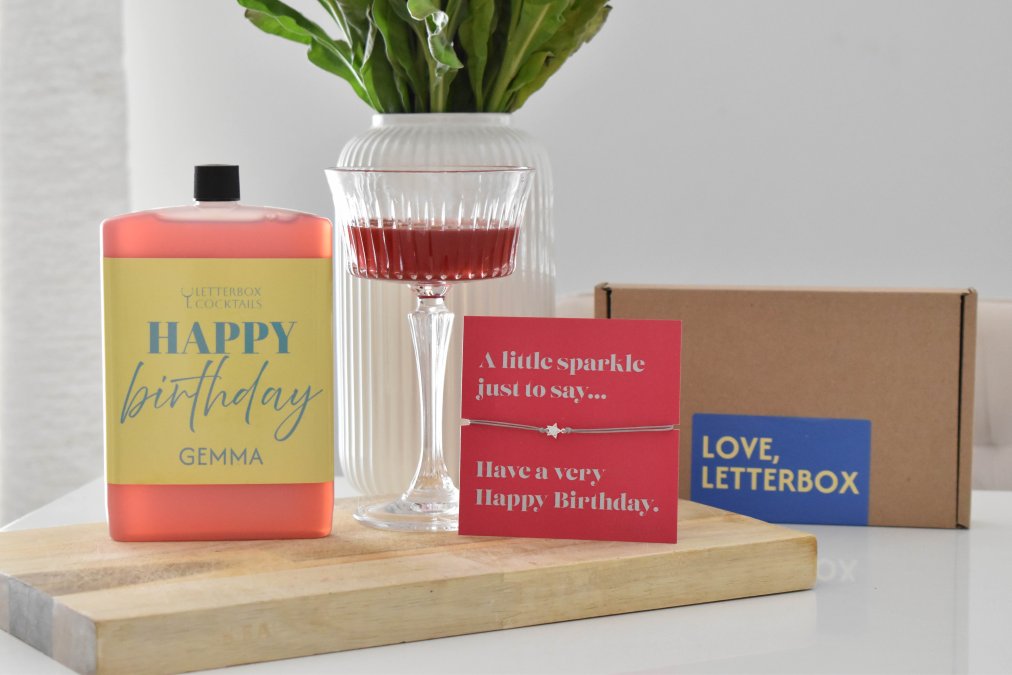
At Letterbox Cocktails, we've poured thousands of cocktails. The pattern is always the same. Cheap cans hide weak recipes behind sugar and fizz.
High quality canned cocktails are drinks made with real spirits, balanced ingredients, and enough alcohol to taste like something. They don't rely on sweeteners to mask a thin base.
So why does it go wrong? Three common reasons:
A good cocktail needs all four taste elements working together: sweet, sour, bitter, and strong. Skip one and the drink feels flat.
The good news? You can spot all of this before you buy. The label tells you almost everything.
The fastest way to judge a canned cocktail is to read the ingredients list. If it reads like a chemistry set, put it back.
A short list of real ingredients is the clearest sign of quality. Here's what to watch for.
Sweeteners like aspartame, sucralose, and saccharin often appear in low-calorie cans. They save calories but leave a chemical aftertaste that ruins the drink.
Natural sweeteners such as sugar syrup or agave taste cleaner and blend better with spirits. Look for these instead.
The same applies to flavourings. "Natural flavourings" is vague. Named ingredients like lime juice, vermouth, or bitters tell you exactly what you're drinking.
Preservatives keep drinks on shelves for years. That sounds handy, but they often come with a trade-off in taste.
Common ones to watch for:
Premium Cocktail Gift Box - Large 275ml →
Fresh-made cocktails use real ingredients and a shorter shelf life. That's a good thing. It means nothing is there just to sit around.
ABV tells you how strong a drink actually is. Serving size tells you how much you're getting. Both matter more than the front label.
ABV stands for Alcohol by Volume. It's the percentage of the drink that is pure alcohol.
| ABV Range | What It Means | Typical Drinks |
|---|---|---|
| Under 5% | Light, closer to a soft drink | Hard seltzers, light spritzers |
| 5% to 10% | Medium strength, easy drinking | Pre-mixed gin and tonics |
| 10% to 15% | Proper cocktail strength | Margaritas, mojitos |
| 15% and above | Spirit-forward, slow sipping | Negronis, old fashioneds |
Volume (ml) × ABV (%) ÷ 100 = millilitres of pure alcohol
UK rules require alcoholic drinks above 1.2% ABV to state the ABV clearly, and most canned cocktails now carry the full ingredient list and allergen information too. Use that. A can that lists its ABV, its volume, and its ingredients in plain sight is a can that has nothing to hide.
A few label habits worth building:
A standard UK pub measure of spirits is 25ml at around 40% ABV, roughly 10ml of pure alcohol. That's a useful yardstick. If a canned cocktail contains less alcohol than a single pub measure, it's a long drink, not a cocktail. Nothing wrong with that, as long as you know what you're buying.
Freshness is the difference between a cocktail that sings and one that tastes tired. Real ingredients change over time, and that's normal. What matters is knowing how they change, and how to slow it down.
Three things degrade a canned cocktail over time:
Preservatives and stabilisers slow all three down. That's why a can with a two-year expiry date tastes the same on day 700 as it did on day one, and why that taste is rarely exciting.
As a general rule, here's what to expect from a genuinely fresh canned cocktail:
A best-before date on a canned cocktail isn't a safety deadline, it's a flavour deadline. Before that date, the drink should taste as intended. After it, the drink is still safe but the flavour has likely faded.
A few habits worth building:
Premium Cocktail Gift Box - Large 275ml →
Where you keep your cans matters as much as when you drink them.

A brand that prints a fill date, ships quickly, and keeps its shelf life short is telling you something. It's saying the drink was made to be drunk, not to sit in a warehouse.
Serving makes a bigger difference than most people expect. The right temperature and glass can lift a good drink into a great one.
Chill your cocktail for at least two hours before serving. A warm drink tastes harsh and unbalanced.
A garnish isn't just decoration. It adds aroma, which shapes how the drink tastes.
Simple options that work well:
Packaging tells you a lot about a brand's priorities. It also affects how the drink travels and tastes.
Here's what to look for:
Choosing a great canned cocktail comes down to reading the label, checking the ABV, and knowing what fresh ingredients taste like. Skip the sweeteners, avoid the long ingredient lists, and serve your drink cold.
Look for real spirits named on the label, such as gin, bourbon or tequila. Check for natural flavourings, real fruit juice or botanicals, and a clear ABV. Avoid drinks where the first ingredients are water, sugar syrup or artificial sweeteners. A short, recognisable ingredient list is usually a good sign that the producer has nothing to hide.
The label should name the spirit directly, for example 'gin, sweet vermouth, red Italian liqueur' rather than vague terms like 'spirit blend' or 'alcohol'. Check the ABV too. A drink sitting at 15% or above is more likely to be spirit-forward, while anything under 5% is probably a diluted, wine-based or malt-based product.
It varies by ingredients. Drinks made with fresh coffee, like an Espresso Martini, are best within about 7 days of arrival. Most other cocktails keep for around 28 days when stored chilled. Always check the date on the bottle and keep them in the fridge to protect the flavour.
Chill them thoroughly first, ideally for a few hours in the fridge. Pour over fresh ice into a chilled glass rather than drinking straight from the can or bottle. Add the garnish if one is included, and let the drink sit for a moment so the flavours open up. Small touches like these make a noticeable difference.


£19.95 GBP
Unit price per