
Confirm your age
Please verify that you are 18 years of age or older to enter this site.



Last Updated: August 11, 2026
Storing ready to drink cocktails properly preserves the flavour, freshness, and quality that make them worth ordering. When you receive a premium ready to drink cocktail, you're getting a carefully crafted blend of spirits, mixers, and ingredients balanced to taste exactly right. Poor storage can undo all that work within days.

Temperature fluctuations, light exposure, and air contact all affect how your cocktail tastes. This guide covers exactly how to store your cocktails so they taste as good on day 30 as they did on day one. The good news is that storing these drinks well doesn't require special equipment or complicated techniques, just a few straightforward principles.
The container your cocktail arrives in matters far more than most people realise. Glass is the gold standard because it's chemically inert and doesn't interact with the liquid inside or leach compounds over time.
Dark glass (amber, green, or cobalt blue) is superior to clear because it blocks ultraviolet light, which degrades spirits and fresh ingredients like citrus or herbs. A cocktail in clear glass stored on a shelf will noticeably deteriorate within weeks, whilst the same drink in dark glass can remain stable for months.
Plastic bottles (PET or HDPE) have real limitations. Plastic is porous at the molecular level, so oxygen slowly permeates through the walls, accelerating oxidation. Plastic can also leach trace compounds, particularly if the cocktail is acidic or high-proof. These don't make the drink unsafe, but they can subtly alter flavour. Plastic also allows light through more readily than dark glass.
Stainless steel containers are excellent for short-term chilling but poor for long-term storage. Steel creates a sealed environment where any dissolved oxygen reacts with the liquid over time, and can impart a metallic taste if the cocktail is very acidic.
Seal quality is as important as material. Airtight seals prevent oxidation by creating a hermetic barrier. Look for bottles with tamper-evident seals or screw caps with rubber or silicone gaskets. Headspace, the air gap between the liquid and the lid, matters too. Excess headspace means more oxygen in contact with the liquid, which is why storing cocktails in their original bottles is always better than transferring them.
For cocktails with fresh ingredients: Citrus juice, herbs, cream, and other fresh components are more vulnerable to oxidation and microbial growth. These cocktails must be in dark glass with an airtight seal and minimal headspace. If you're batching cocktails at home with fresh citrus, use glass bottles with tight-sealing lids and fill them as full as possible.
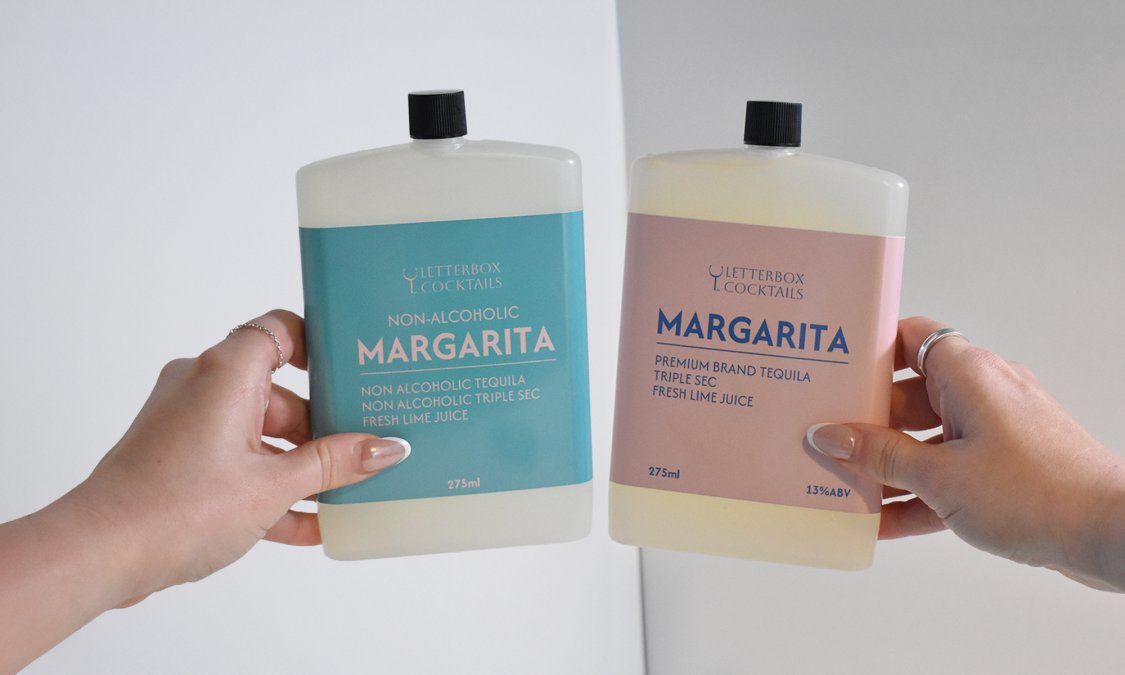
Shelf life depends on three main factors: alcohol content, specific ingredients, and storage conditions.
How alcohol content (ABV) affects longevity:
Alcohol acts as a natural preservative. A cocktail that's 20% ABV or higher can remain shelf-stable for 6-12 months if stored in a cool, dark place with an intact seal. Lower-ABV drinks (below 15% ABV) have shorter lifespans because there's less alcohol to inhibit oxidation and microbial growth.
Ingredient-specific degradation timeline:
Citrus-forward cocktails (lemon, lime, grapefruit juice): Best consumed within 2-3 weeks. The juice loses its brightness and the drink may taste flatter or slightly more bitter.
Spirit-forward cocktails (whisky, gin, rum with minimal mixers): Last 3-6 months or longer. The high alcohol content and minimal fresh ingredients mean oxidation is slow.
Herbal cocktails (mint, basil, rosemary, thyme): Best within 1-2 weeks. The volatile oils that give herbs their flavour evaporate or oxidise over time.
Cream or dairy cocktails (Baileys-style, egg white-based, milk punch): Most time-sensitive. Consume within 1-2 weeks, stored in the coldest part of your fridge. Look for any signs of separation, curdling, or sour smell, these are red flags.
Bitters and spice-heavy cocktails (Old Fashioned style, spiced rum cocktails): Last 2-4 months. Spice notes can fade or become muted over time.
Vermouth-based cocktails (Martini, Negroni): Last 3-8 weeks. Vermouth is fortified wine and oxidises faster than spirits.
Storage conditions dramatically change these timelines. A citrus cocktail stored in a cool cupboard at 12°C will last noticeably longer than the same cocktail left on a kitchen counter at 20°C. Temperature fluctuations accelerate degradation more than consistent cool storage. Light exposure cuts shelf life in half.
Check the label on your ready to drink cocktail; each product comes with guidance on how long it will stay fresh. As a general rule, if the bottle recommends consuming within 4 weeks, trust that timeline.
Temperature is one of the easiest variables to control and one of the most important. Room temperature is fine for short-term storage, a few days to a week, but for anything longer, cool storage is better. Ideally, keep your ready to drink cocktails between 10-15°C.
Your fridge is perfect if you have the space. Most home fridges sit around 4°C, which is cold enough to preserve the drink without freezing it. Freezer storage can cause freezer burn on the bottle, and if the cocktail freezes solid, the expansion can damage the seal or crack the bottle. Keep them in the fridge, not the freezer.
Temperature fluctuation is actually worse than consistent cold. A cocktail stored in a cupboard that's always 18°C will fare better than one that swings between 10°C and 22°C. Avoid storing cocktails near heat sources, keep them away from the cooker, radiators, or anywhere the sun shines directly.
If you're storing a batch of ready to drink cocktails for an event, keep them in a cool room or fridge until a few hours before serving. This maintains the flavour and ensures they're properly chilled when guests arrive.
Cocktails made with fresh citrus, herbs, or cream require extra care. These ingredients are more prone to degradation and microbial growth than spirit-forward cocktails.
Citrus juice oxidises quickly once exposed to air. Even in a sealed bottle, the citric acid and natural oils will gradually break down over time. If your ready to drink cocktail contains fresh citrus, it's best consumed within 2-3 weeks of receiving it, even if stored in the fridge.
Herbal ingredients like mint, basil, or rosemary are also vulnerable. The volatile oils that give these herbs their flavour can evaporate or oxidise over time. Cocktails with fresh herbs are usually best within 1-2 weeks.
Cream-based cocktails are the most time-sensitive. Dairy products can spoil, and once they do, the drink becomes unsafe to consume. If your cocktail contains cream, dairy, or egg white, store it in the coldest part of your fridge and use it sooner rather than later. Most cream cocktails should be consumed within 1-2 weeks.
For batching cocktails at home, avoid adding fresh citrus juice until just before serving. If you're preparing cocktails for an event, keep the base spirit and dilution separate from fresh juices and mix them closer to service time.
Knowing when a cocktail has deteriorated helps you avoid drinking something that's past its best. Most ready to drink cocktails won't become unsafe to drink, but they will taste noticeably worse.
Look for changes in colour. If a cocktail that was bright amber has turned brown or dull, oxidation has progressed. Clarity is another signal, if the drink looks cloudy or has visible particles when it should be clear, something's wrong. Smell is your best indicator. Open the bottle and take a sniff. A cocktail that smells off, vinegary, or unpleasant has oxidised or begun to spoil.
Taste is the final check. If the flavour is flat, harsh, or tastes like it's been sitting around for months, it's past its peak.
For cream-based cocktails, any signs of separation, curdling, or sour smell mean the drink should be discarded. These are safety concerns, not just flavour issues.
The best approach is to follow the guidance on your Letterbox Cocktails bottle and consume the cocktail within the recommended timeframe.
Once you've stored your ready to drink cocktails properly, preparing them for serving is straightforward. Most are designed to be served chilled, straight from the bottle or poured over ice.
Remove the cocktail from the fridge 10-15 minutes before serving if you want it at optimal temperature. Too cold and some flavour notes can be muted. The sweet spot is when the drink is well-chilled but not ice-cold.
Pour the cocktail into a glass with fresh ice. The ice cools the drink further and dilutes it slightly as it melts, which is exactly how cocktails are meant to be enjoyed. If the cocktail came with garnish instructions, add those now, a twist of citrus, a sprig of herb, or whatever the recipe calls for.
For batched cocktails at an event, chill the bottles beforehand and set them out in a cooler with ice. Guests can pour their own or you can serve them. This approach works brilliantly for weddings, corporate events, or parties where you want everything to feel premium without the stress of bartending all evening. If you're looking to create a tailored selection, you can build your own boxes to match your guests' tastes, or explore options for wedding favours and corporate gifting.

Storing ready to drink cocktails properly is the difference between a drink that tastes brilliant and one that tastes tired. Keep them cool, dark, and sealed, and they'll stay fresh far longer than you might expect. Whether you're storing a single bottle for a quiet night or preparing a batch for an event, the principles are the same: protect them from heat, light, and air. Letterbox Cocktails handles the hard part, crafting the perfect blend, and with proper storage, you'll enjoy every sip exactly as intended.
Yes, most ready to drink cocktails should be kept in the fridge to maintain flavour and preserve ingredients. The alcohol content (ABV) helps prevent spoilage, but refrigeration slows oxidation and keeps the drink at its best. Store them at 2-4°C. If your cocktails contain fresh citrus or other perishable ingredients, refrigeration is essential to prevent microbial growth and degradation.
Once opened, most ready to drink cocktails should be consumed within 24-48 hours when stored in the fridge. The shelf life depends on the ABV and ingredients. Spirit-forward cocktails with higher alcohol content last longer than those with fresh juices or mixers. Always check for signs of spoilage like off-smells or cloudiness before serving.
Glass containers with airtight, hermetic seals are ideal. Opaque bottles protect against light damage and oxidation. Dark glass or tinted bottles are better than clear ones. Avoid plastic, which can leach chemicals and isn't airtight. Make sure lids seal tightly to prevent air exposure, which causes oxidation and flavour loss.
No. Citrus degradation happens quickly—typically within 24 hours. Fresh lemon, lime, or orange juice oxidises and loses its bright flavour profile. If your cocktail contains fresh citrus, store it in the coldest part of the fridge and consume it as soon as possible. For longer storage, spirit-forward cocktails without fresh ingredients last much longer.
This article was written using GrandRanker
Share


£19.95 GBP
Unit price per