
Confirm your age
Please verify that you are 18 years of age or older to enter this site.



Last Updated: August 26, 2026
Most people assume mixing drinks at home saves money compared to buying at a bar. The truth is messier. Yes, spirits and mixers cost less at the supermarket. But the real cost includes equipment, ingredients that expire, and your time. When you add those together, the maths shifts.
This guide breaks down the real numbers, the hidden costs, and when each option actually wins.
A standard spirit costs between £15 and £35 at a supermarket. The same spirit in a bar cocktail might cost £8 to £15 for the whole drink. Home mixing looks cheaper on the surface.
But bars buy spirits in bulk at wholesale prices much lower than retail. They use precise 25ml or 50ml pours, so a bottle stretches across many drinks. A single bottle of gin yields roughly 28 standard pours. If you're making a few cocktails a month, that bottle sits in your cabinet for months, and some oxidises or evaporates.
A Negroni needs three spirits: gin, vermouth, and Campari. A Margarita needs tequila, triple sec, and lime juice. Rotating through different styles means maintaining multiple bottles at varying stages of freshness. Vermouth stays fresh for only a few weeks once opened. Fresh citrus juice oxidises within hours.
For occasional home mixing, the per-drink cost of ingredients runs roughly £2 to £4. For bar prices in a mid-range place, you're paying £8 to £12 per cocktail. But divide that £25 bottle of gin across 28 drinks, add vermouth, Campari, and fresh ingredients, and your actual cost per Negroni lands closer to £3 to £5 depending on waste.
Making cocktails at home requires tools. A basic setup includes:
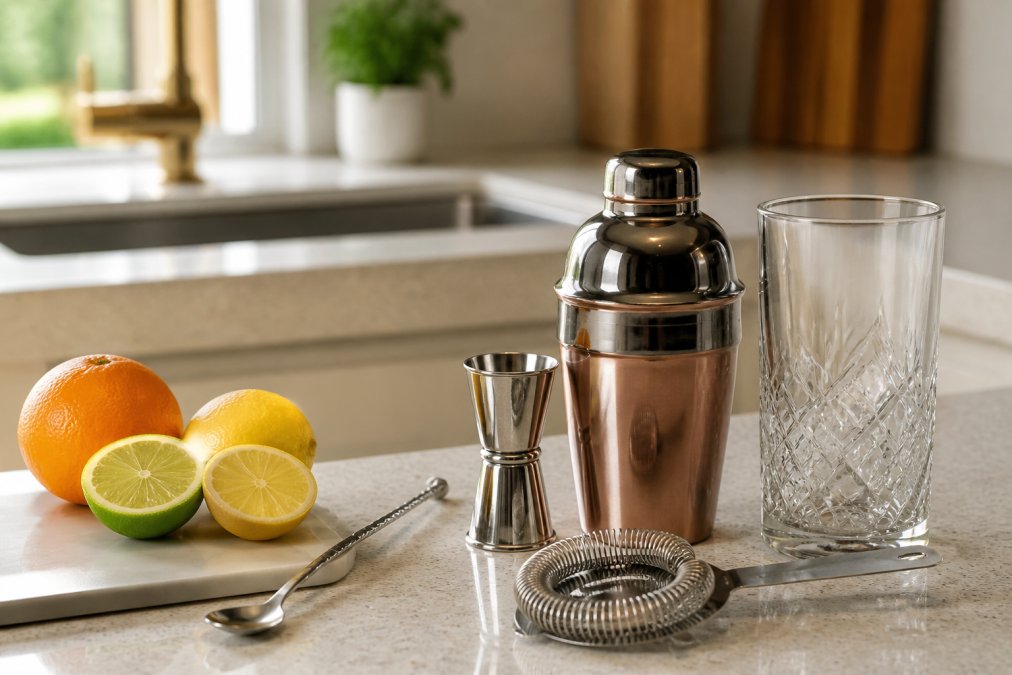
A functional starter kit costs between £35 and £80. For quality equipment that lasts years, you're closer to £80 to £150.

This is a one-time cost, but it's a real barrier. Making one or two cocktails a month spreads that cost across very few drinks, pushing your per-drink cost higher. Making cocktails twice a week spreads it across 100+ drinks a year, making it negligible.
Add glassware, rocks glasses, coupe glasses, highballs, and that's another £40 to £100.
The per-drink cost of spirits is only the beginning. What separates home mixing that saves money from home mixing that drains your budget is managing the invisible costs that pile up quietly.
Ingredient waste and spoilage. Fresh lime juice oxidises within hours. Vermouth stays fresh for roughly three weeks after opening. A typical home bartender loses 15-25% of their ingredient spend to spoilage or oxidation [EXTERNAL_LINK: according to industry estimates | food.gov.uk]. If you're spending £50 a month on spirits and mixers, you're throwing away £7.50 to £12.50 worth.
Buy spirits only in quantities you'll use within three to four months. For fortified wines, buy smaller 50cl bottles instead of 75cl if you're not making those drinks weekly. Store opened bottles upright in a cool, dark place, not above the radiator, not in direct sunlight.
Ice and freezer space. Standard freezer ice absorbs odours and melts quickly. A home ice maker costs £40 to £120 upfront and uses about £3 to £5 per month in electricity (energysavingtrust.org.uk). For regular mixing, it pays for itself in consistency within 6-12 months. For infrequent mixing, standard ice is fine.
Garnishes and fresh ingredients. A Negroni needs a twist of orange peel. A Mojito needs fresh mint. A Margarita needs fresh lime juice. Fresh limes cost roughly 40p each; one lime yields about three cocktails' worth of juice. Mint wilts within a week. Olives and onions, once opened, last a few weeks but need to be bought in jars costing £2 to £4.
Plan your cocktail menu for the week before you shop. Buy only what you'll use within that week. Bitters last for years, buy one bottle of Angostura at around £6 and you're set for 12+ months.
Time and skill development. A professional bartender makes a cocktail in 90 seconds. A home bartender learning takes 3-5 minutes. The first 20 or 30 drinks you make will have small inconsistencies. If you value your time at £15 per hour, that's 50p to £1.25 per drink in time cost while learning.
Start with three or four classic cocktails, a Daiquiri, a Negroni, a Margarita, and a Martini, and master those before expanding.
Storage and organisation. A proper home bar needs dedicated space. Bottles need to be stored upright, away from heat and light. For small kitchens, a hybrid approach works better: keep a minimal home bar and buy ready-made cocktails for events or when you want variety.
Cleaning and maintenance. Bar equipment takes about 5 minutes to wash and dry properly. Making cocktails twice a week means roughly 8-10 hours per year on cleanup. It's not onerous, but it's a friction point that discourages casual mixing.
When you add these hidden costs together, spoilage (15-25% of ingredient spend), ice (0-30p per drink), garnishes and fresh ingredients (20-50p per drink), time and skill development (50p-£1.25 per drink while learning), the per-drink cost of home cocktails climbs from £2-£4 to closer to £3-£6 for most home bartenders. That's much closer to bar prices than simple maths suggests.
If home mixing makes sense for your situation, the budget approach requires thinking about three things: initial setup cost, ongoing ingredient cost, and break-even time.
The equipment cost and break-even calculation. A functional starter kit costs between £35 and £80. Add two or three basic glasses (rocks and coupe, roughly £15-£30), and you're at £60-£110 total.
If you're making one cocktail a month, that equipment cost spreads across 12 drinks in a year, roughly £5-£9 per drink. If you're making two cocktails a week, that same equipment spreads across 100+ drinks a year, roughly 60p-£1.10 per drink.
Here's a practical break-even calculation: if a bar cocktail costs £10 and a home cocktail costs £4 in ingredients, you save £6 per drink. You need to make 10-18 drinks before the equipment cost is paid back. That's roughly two months of twice-weekly mixing, or six months of once-weekly mixing. [EXTERNAL_LINK: For more on sourcing spirits | seventy9north.co.uk].
For people who make cocktails fewer than twice a month, the break-even point is beyond a year, which means ready-made cocktails are genuinely cheaper when you factor in the full cost.
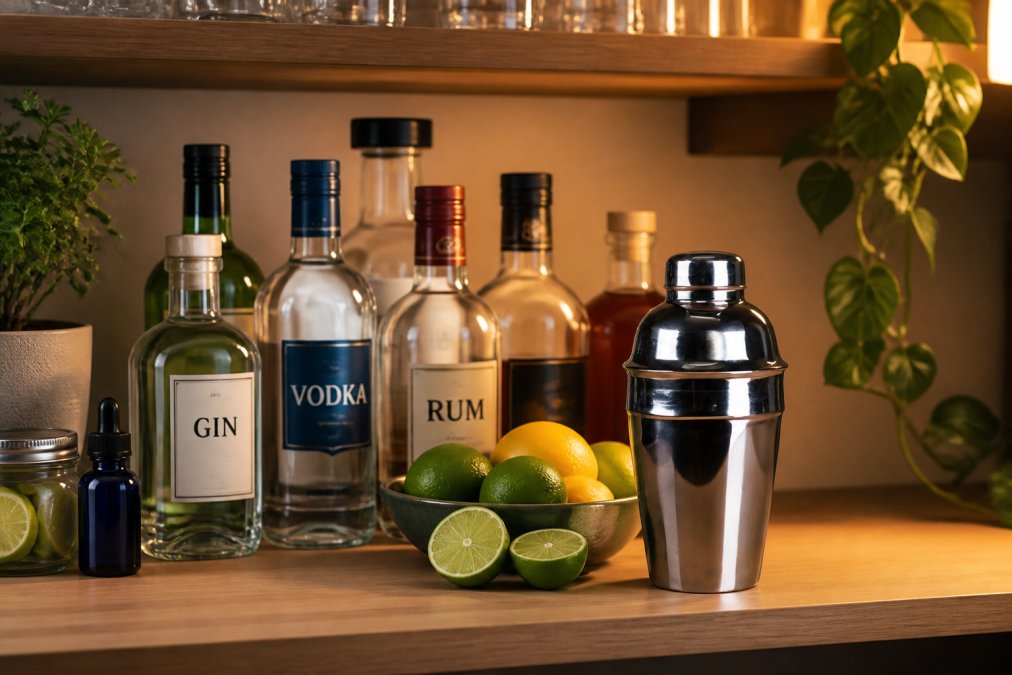
The core spirits and rotation strategy. Start with three spirits: gin, vodka, and rum. These cover the broadest range of classic cocktails. Add one fortified wine: vermouth is essential for Martinis and Negronis. Buy secondary spirits only when you have a specific drink in mind.
A 75cl bottle of gin yields roughly 30 standard 25ml pours. If you're making two cocktails a week, that bottle lasts about four months. Buy a new bottle when the old one is three-quarters empty. For vermouth, buy 50cl bottles instead of 75cl if you're not using them weekly; they stay fresher longer.
Mixers and fresh ingredients. Buy what you'll use within two weeks. Make simple syrup at home: equal parts sugar and water, heated until the sugar dissolves, then cooled. A batch costs roughly 20p and keeps for four weeks. Buy one bottle of bitters, Angostura is the standard at around £6, and it lasts 12+ months.
For garnishes, buy fresh citrus two or three times a week if you're a regular mixer. Buy herbs only when you have a specific drink in mind, and use them within three days. Olives and cocktail onions, once opened, should be used within 10 days.
The starter budget and ongoing costs. A complete home bar starter kit costs roughly £100-£150 total:
After the first month, ongoing costs are low. You're replacing spirits as you use them (£15-£25 per month if you're making cocktails twice weekly), buying fresh mixers and garnishes (£5-£10 per week). For a regular home bartender making two cocktails a week, the monthly cost settles at roughly £25-£40 in ingredients, which works out to £3-£5 per drink, significantly less than bar prices.
Batching and storage efficiency. If you're making cocktails regularly, consider batching. Five Daiquiris can be made in 10 minutes, chilled in the fridge, and served over the next two days. This reduces time per drink, minimises waste, and ensures consistency. Batched cocktails work best for spirit-forward drinks like Negronis, Martinis, and Daiquiris. Avoid batching drinks with egg whites, cream, or fresh herbs, as these degrade quickly.
Store opened bottles in a cool, dark place, a kitchen cupboard away from the stove. Keep vermouth and other fortified wines in the fridge once opened. Label bottles with the date you opened them.
This approach works best if you're making cocktails two or three times a week. Below that frequency, ingredient waste, storage friction, and amortised equipment cost make ready-made cocktails the more economical choice.
For events, whether a student party, a birthday gathering, or a casual dinner, the economics change entirely.
Hosting 10 people and making cocktails for everyone requires buying enough spirits and ingredients for 20+ drinks. You're committing to bottles you might never use again. You're spending the evening playing bartender instead of enjoying your guests.
This is where ready-made cocktail delivery services become genuinely cheaper in practice. Letterbox Cocktails sends premium cocktails directly to your door, ready to serve. You open a bottle, pour it over ice, add a garnish if you want, and hand it to your guest. No shaking, no measuring, no cleanup. You can even build your own boxes to tailor the selection to your guests' preferences.
For student parties especially, the convenience factor is significant. You're not spending your evening at the sink washing bar equipment. The cocktails arrive ready to serve, which means less stress and more time with your guests.
There are clear scenarios where ready-made cocktails offer better value than home mixing.
Infrequent drinking. If you make cocktails fewer than twice a month, the equipment and ingredient costs don't justify themselves. You're better off buying ready-made when you want a cocktail.
Limited storage space. If your kitchen is small, storing bottles and glassware creates friction. Ready-made eliminates that problem entirely.
Hosting events. Making cocktails for a group is time-consuming and requires buying quantities of ingredients you won't use again. Ready-made services handle this cleanly.
Consistency and quality. If you care about the drink tasting exactly right, professional preparation beats learning through trial and error. Letterbox Cocktails uses premium ingredients and consistent technique, so every drink tastes as it should.
Gift-giving. If you're buying cocktails as a gift, ready-made options are more impressive and require no effort from the recipient.
Corporate or formal events. For weddings, corporate socials, or formal gatherings, professional cocktails signal quality and care. Home-mixed drinks, even if they taste good, can feel casual in a way that doesn't match the occasion.
Making your own cocktails can be cheaper, but only if you're making them regularly and have the space and inclination to maintain a home bar. For most people, most of the time, the hidden costs, equipment, and waste mean that ready-made cocktails deliver better value.
The real answer isn't about choosing one path or the other. It's about matching the option to your actual drinking habits and your situation. If you're hosting a party or want a premium cocktail without the effort, ready-made is the smarter choice. If you're a regular home mixologist who enjoys the craft, home mixing wins. If you're somewhere in the middle, a hybrid approach, keeping a basic home bar for everyday drinks and buying ready-made for events, often makes the most sense.
A: A standard cocktail at a bar costs between £8 and £15, depending on location and venue type. Premium cocktails in city centres or upmarket establishments can reach £16-£20. When making cocktails at home, the per-drink cost typically drops to £2-£5 once equipment is amortised, though this depends on ingredient quality and how efficiently you batch and store your spirits.
A: A basic home bar setup costs £30-£80 for essential tools: a cocktail shaker (£8-£15), jigger (£5-£10), mixing glass (£8-£12), bar spoon (£5-£8), and strainer (£5-£10). Add £50-£150 for starter spirits (vodka, gin, rum, whiskey), and you're looking at £80-£230 total. Our Cocktail Shaker at £8 is a solid starting point that pairs perfectly with ready-to-drink options if you'd rather skip the full setup.
A: Yes, but only after you account for equipment costs and ingredient waste. A homemade cocktail costs £2-£4 to make, versus £10-£15 at a bar, so you break even after 10-15 drinks. The real savings kick in when you batch cocktails, buy spirits in bulk, and reduce waste. However, the 'experience tax' matters: bars offer atmosphere, service, and social setting that home mixing doesn't replicate.
A: Beyond spirits and mixers, budget for fresh citrus (lemons, limes), ice quality, simple syrup, bitters, garnishes, and shelf-stable ingredients that expire or spoil. Most home bartenders waste 15-25% of ingredients through over-pouring, poor storage, or unused bottles. You'll also spend time on prep and cleanup. For events, ready-made options like our Build Your Own boxes eliminate waste and guarantee quality without the effort.
This article was written using GrandRanker
Share


£19.95 GBP
Unit price per