
Confirm your age
Please verify that you are 18 years of age or older to enter this site.



Last Updated: August 27, 2026
The ready to drink cocktail industry is expanding rapidly as consumers seek convenience without sacrificing quality. What began as a niche market has become mainstream, rivalling traditional spirits in growth potential. This reflects a fundamental change in how people approach socialising at home, gifting, and entertaining.
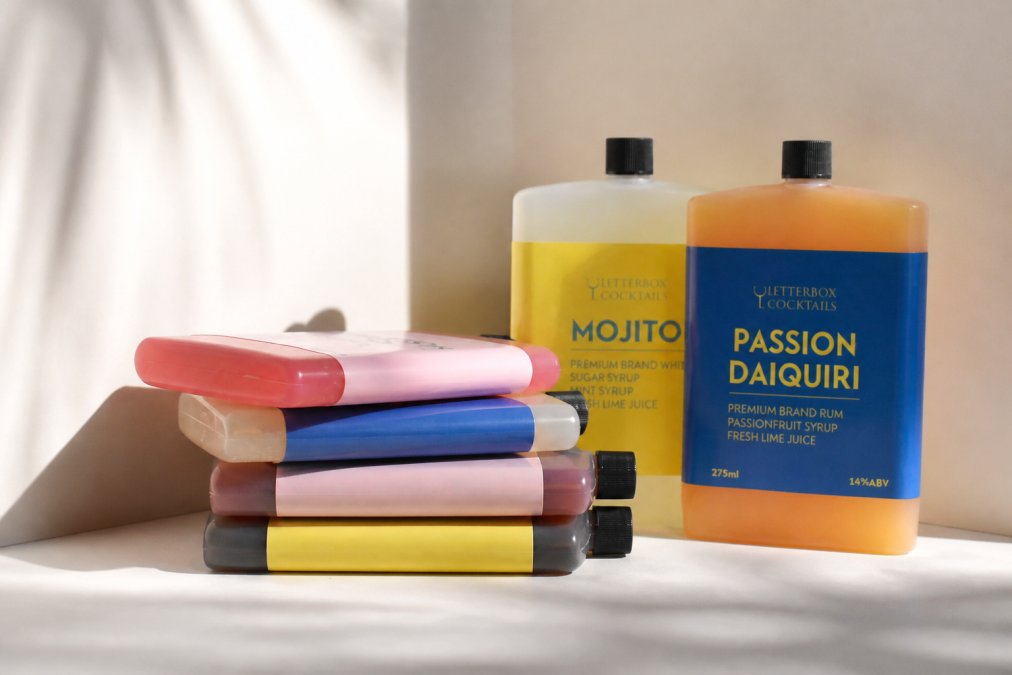
The appeal is straightforward: premium cocktails arrive ready to serve, eliminating the need for mixology knowledge or specialist equipment. At Letterbox Cocktails, we've seen firsthand how this category appeals to people who value both convenience and sophistication.
The ready to drink cocktail market has entered a sustained growth phase reflecting fundamental shifts in consumer behaviour and retail distribution. Consumers are not just buying more ready to drink cocktails, they're trading up to premium price points, creating a category that grows faster than traditional spirits.
Geographic penetration has accelerated significantly. Today, distribution extends through mainstream supermarket chains, convenience stores, and direct-to-consumer delivery services.
Distribution channels now include:
The market has attracted capital from established spirits producers, independent craft brands, and venture-backed startups experimenting with functional ingredients and wellness positioning. Growth projections through the mid-2030s indicate sustained momentum, supported by younger consumers viewing ready to drink cocktails as aligned with convenience-first lifestyles.
Importantly, growth in this category is not cannibalising traditional spirits sales. Ready to drink cocktails are expanding the total addressable market by converting non-drinkers, occasional drinkers, and venue-dependent consumers into regular purchasers.
Convenience remains the primary driver, but the nature of that convenience has evolved. Today's consumers choose ready to drink cocktails not because they lack bartending ability, but because they value their time differently. A busy professional might be perfectly capable of making a margarita, but chooses a ready to drink version because the time investment conflicts with their priorities.
This shift means ready to drink cocktails appeal across income and education levels. The category competes directly with venue-based drinking: a consumer choosing a ready to drink cocktail at home is making an active decision to entertain at home rather than go out.
The letterbox delivery model amplifies this convenience advantage. Rather than requiring a trip to a specialist retailer, consumers can order through familiar channels and receive cocktails within days.
Premiumisation within ready to drink cocktails reflects a genuine quality revolution. A decade ago, pre-mixed cocktails were perceived as inferior to venue-made equivalents. That perception has inverted for premium brands.
Craft spirits producers entering the category legitimised the entire format. When a distillery known for exceptional gin or rum launches a ready to drink cocktail using the same base spirit and production standards, it proves quality parity is achievable.
Premium ready to drink cocktails now use proper techniques: real citrus juice rather than concentrate, appropriate spirit ratios, and balanced sweetness. This consistency is actually an advantage over venue-made cocktails, where quality varies based on bartender skill.
Health consciousness has driven meaningful product segmentation. Lower ABV options, natural sweeteners, and reduced-sugar variants now represent significant market segments.
Many consumers want to enjoy cocktails without excess calories, sugar, or hangover effects. Ready to drink cocktails, with their precise formulation, can deliver on this promise in ways venue bartending cannot match.
Transparency in labelling has become a competitive advantage. Brands that clearly display alcohol content, calorie counts, sugar levels, and ingredient sourcing appeal to consumers making informed choices.
The traditional distinction between on-premise (bars, restaurants) and off-premise (retail, home) consumption has become less relevant. Ready to drink cocktails are creating hybrid consumption occasions that didn't previously exist.
Off-premise consumption now dominates the category. Home entertaining, personal consumption, and gifting drive the majority of sales. This represents a fundamental shift in how consumers access premium cocktails, moving away from venue dependence.
On-premise venues have begun incorporating ready to drink cocktails strategically. Rather than viewing them as competition, forward-thinking bars now stock premium options for private events, pre-drinking scenarios, or customers who prefer the certainty of a known product.
Letterbox Cocktails stands out as the premium choice for UK consumers seeking customisable, high-quality ready to drink cocktails delivered to their door. The brand offers a build-your-own box model that lets you select your preferred flavours, garnishes, and quantities, making it ideal for personalised gifting, corporate events, and home entertaining.
What differentiates Letterbox Cocktails is the combination of premium ingredients, bespoke customisation, and exceptional presentation. Each cocktail arrives with fresh garnishes and clear serving instructions, ensuring the experience feels special whether you're hosting a dinner party or sending a gift.
The Big-33 Subscription delivers three full-size cocktails monthly for three months, offering an affordable way to explore different flavours. The Go Big Party Pack (6-pack), Go Bigger Party Pack (12-pack), and Go Biggest Party Pack (24-pack) cater to different entertaining scales, whilst corporate clients appreciate the ability to customise boxes with company branding.


Canned cocktails represent the fastest-growing packaging format within the ready to drink category. The format offers environmental benefits, superior shelf stability, and a modern aesthetic that appeals to younger consumers. Cans also facilitate on-the-go consumption in ways that glass bottles cannot match (peer-reviewed research).
Premium canned cocktails now occupy shelf space alongside craft beers and premium soft drinks in major retailers. The environmental argument for cans has become increasingly important, as aluminium recycling rates in the UK continue to improve and consumers recognise that cans are infinitely recyclable without quality degradation (gov.uk).
Flavour variety within canned formats has expanded dramatically, from classic margaritas and mojitos to innovative seasonal variations. The canned format actually preserves flavour better than some alternatives, as opaque packaging protects contents from light degradation (peer-reviewed research).
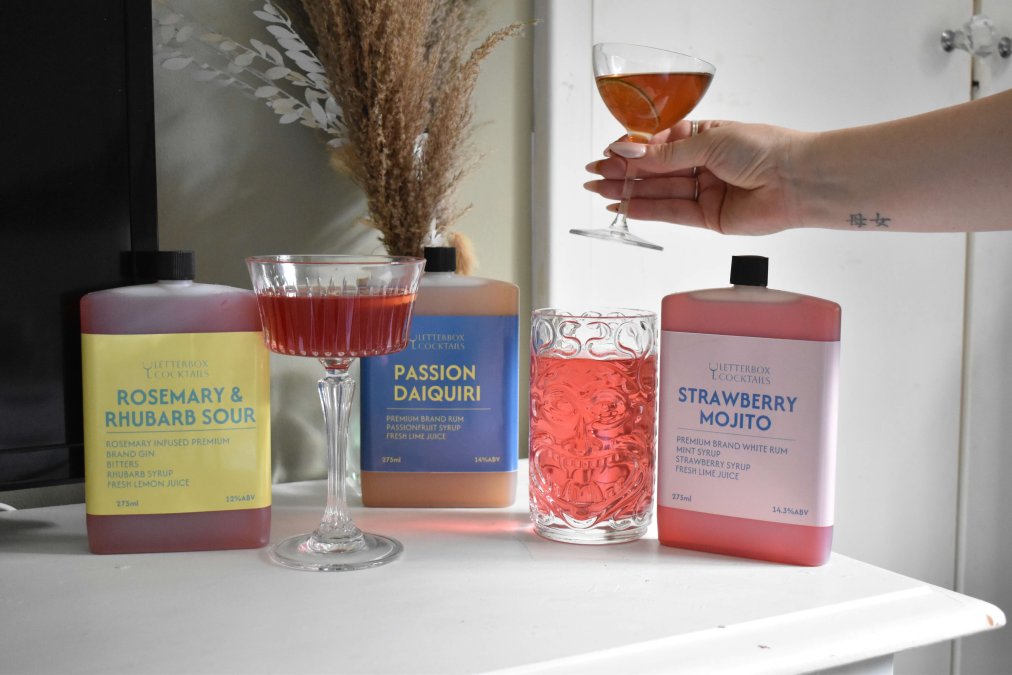
Sustainability has moved from a marketing angle to a genuine business imperative. Consumers increasingly expect brands to demonstrate environmental responsibility through packaging choices, ingredient sourcing, and supply chain practices.
Recyclable and compostable packaging options are becoming standard. Many brands now use recycled aluminium, glass made from recycled content, and cardboard derived from sustainable forestry.
Supply chain transparency matters to conscious consumers. Brands that can articulate their sourcing practices, waste reduction efforts, and carbon footprint tend to command loyalty and premium pricing. Water usage in production represents another sustainability focus, with premium manufacturers investing in efficient processes and water recycling systems.
Flavour innovation drives repeat purchases and category expansion. Brands invest heavily in developing new taste profiles that reflect emerging consumer interests and seasonal trends.
Botanical complexity has become a hallmark of premium offerings. Rather than relying on artificial flavourings, brands now experiment with herbs, spices, and unusual ingredients that elevate the drinking experience. Limited edition and seasonal releases create urgency and excitement around the category.
Product diversification extends beyond flavour into ABV options, sugar content, and functional ingredients. Some brands now offer alcohol-free versions, lower-ABV options for session drinking, and products formulated for specific occasions. This segmentation allows brands to capture different consumer occasions with tailored products.
Off-premise consumption now represents the dominant channel for ready to drink cocktails. Home entertaining, personal consumption, and gifting drive the majority of sales, representing a fundamental shift in how people access premium cocktails.
On-premise venues have begun incorporating ready to drink cocktails into their offerings, particularly for events and private functions. Some bars now stock premium ready to drink options as part of their range, recognising that consumers value consistency and convenience even within venue settings.
The rise of hybrid consumption patterns reflects broader changes in social drinking. People increasingly entertain at home, attend smaller gatherings, and seek convenience without sacrificing quality. Ready to drink cocktails fit perfectly into these evolving behaviours.
The ready to drink cocktail industry reflects a genuine shift in consumer preferences toward convenience, quality, and customisation. Whether you're planning an event, seeking a gift, or simply wanting a quality drink without the effort, the category now offers sophisticated options that match traditional bartending standards. Letterbox Cocktails exemplifies this evolution, delivering premium, customisable cocktails directly to your door across the UK with exceptional presentation and reliable quality that makes every occasion feel special.
The ready to drink cocktail industry is being shaped by three key forces: consumer demand for convenience, premiumisation of spirits-based RTD products, and a shift towards health-conscious options like lower-alcohol variants. Sustainability has also become crucial, with brands investing in eco-friendly packaging. These trends reflect broader changes in how people consume alcohol—seeking quality without the effort of mixing.
Premium canned cocktails appeal to UK consumers because they offer bar-quality drinks without preparation. They're shelf-stable, portable, and ideal for on-the-go consumption at events, parties, or at home. Premium brands focus on craft spirits, authentic flavour profiles, and excellent presentation—making them perfect for gifting or entertaining. The convenience factor combined with quality craftsmanship drives their popularity.
Brands are shifting towards recyclable and biodegradable packaging, reducing plastic use, and designing bottles that minimise environmental impact. Many are also optimising supply chains to lower carbon footprints. This eco-conscious approach appeals to consumers who want premium drinks without guilt, making sustainability a key competitive advantage in the market.
Ready to drink cocktails serve both markets. Off-premise consumption (home, events, gifting) is growing rapidly as people seek entertaining solutions without bar visits. However, on-premise venues also stock premium RTD options. Rather than replacing bars, RTD cocktails expand the drinking occasion—enabling celebrations at home, corporate events, and gatherings where mixing isn't practical.
This article was written using GrandRanker
Share


£19.95 GBP
Unit price per