
Confirm your age
Please verify that you are 18 years of age or older to enter this site.



Last Updated: September 21, 2026
Working out whether it is cheaper to make cocktails at home comes down to one number: cost-per-drink. A homemade cocktail usually costs a fraction of a bar pour, but only once you count the tools, the mixers and the spoilage. This guide from Letterbox Cocktails walks through the real maths, so you can decide what suits your budget and your evenings. If you have ever wondered whether it is cheaper to make cocktails than to buy them out, the answer is yes, with caveats worth knowing before you stock up.
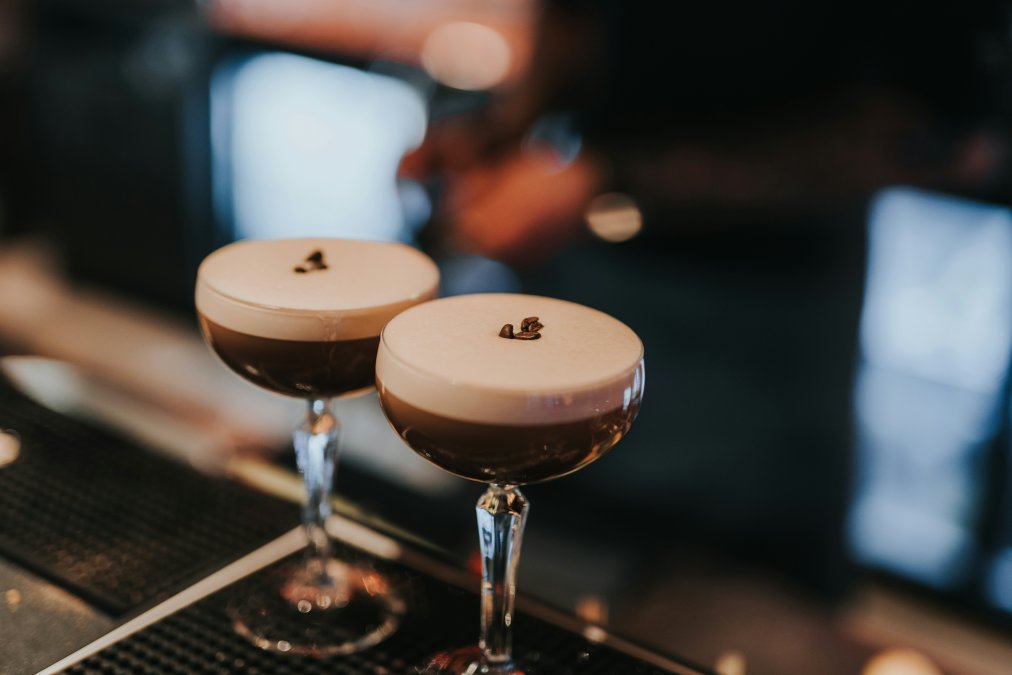
A bar charges for far more than the liquid in your glass. You are paying for rent, staff wages, licensing, insurance and the atmosphere itself. That is the markup, and it is why the same drink can cost several times more once you leave the house.
Many people find the gap widens further with craft cocktails, where presentation and premium labels push the price up again. None of that is unfair, but it does mean the value proposition of drinking at home is strongest when you enjoy cocktails often.
To calculate cocktail cost per serving, add up the price of every ingredient in the recipe, divide by the number of pours you get from each bottle, then add your garnish and ice costs. That final figure is your true cost-per-drink. It sounds fussy, but it takes about two minutes once you know your bottle sizes.
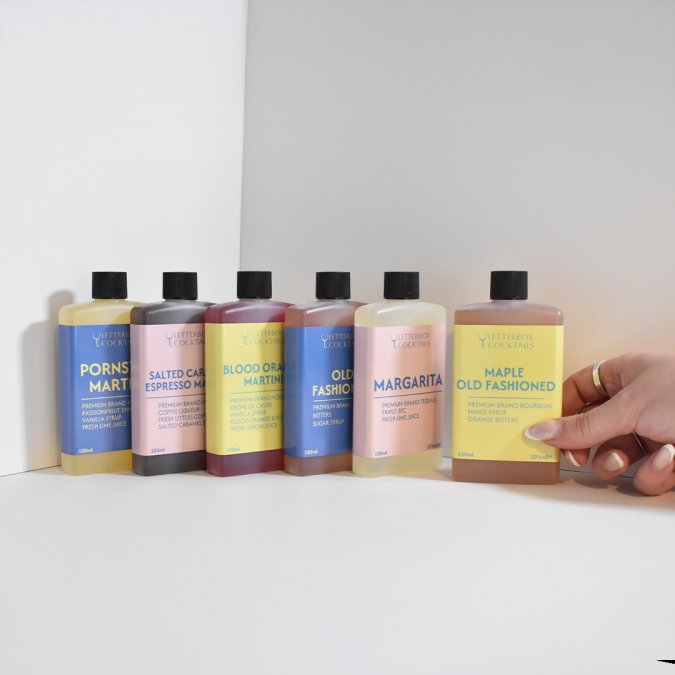
Spirits do most of the heavy lifting. A bottle split into 25ml pours gives you a predictable number of drinks, so the maths stays simple. Mixers, syrups and fresh citrus matter more than people expect, and they are where budgets quietly slip.
Keep an ingredient list for your three or four favourite recipes. You will spot which bottles earn their place and which ones sit half-used at the back of the cupboard.
Essential cocktail equipment for beginners is shorter than most shops suggest: a shaker, a jigger, a strainer and decent glassware. Everything else is a nice-to-have. Buying slowly keeps your upfront investment low and your cost-per-drink honest.
The Food Standards Agency guidance on food and drink safety is a useful reference if you plan to serve drinks at events, since fresh ingredients need sensible handling.
Amortising barware means spreading the one-off cost across every drink you make. A shaker used fifty times costs very little per serve. Used twice, it is an expensive ornament. This is the hidden cost most guides gloss over, and it is the single biggest reason a beginner's first cocktail is never actually cheaper than a bar pour.
Here is the mechanism in plain terms. Take your total kit spend, divide it by the number of drinks you expect to make in a year, and that figure is your equipment cost per drink.
This is why the honest answer to whether it is cheaper to make cocktails depends on frequency. If you drink cocktails a handful of times a year, the equipment line alone can wipe out the saving on ingredients. If you drink them most weekends, the kit pays for itself within the first month or two and then quietly disappears from the maths.
Letterbox Cocktails sells The Bar in a Box Experience - Cocktail Shaker for £8.00, a stainless steel shaker sized for single and double serves. Pair it with Nick & Nora mini coupes at £14.95.


A lot of beginner kit lists are written by people selling beginner kit.
Cost Type |
What It Covers |
How It Affects Cost-Per-Drink |
|---|---|---|
One-off equipment |
Shaker, jigger, strainer, glassware |
Falls with every drink you make |
Spirits |
Base alcohol for each recipe |
The largest single cost |
Mixers and syrups |
Tonic, soda, simple syrup |
Small per serve, adds up fast |
Fresh citrus and garnish |
Lemons, limes, herbs, peel |
Spoils quickly, often wasted |
Ice |
Cubes and crushed |
Cheap, but essential |
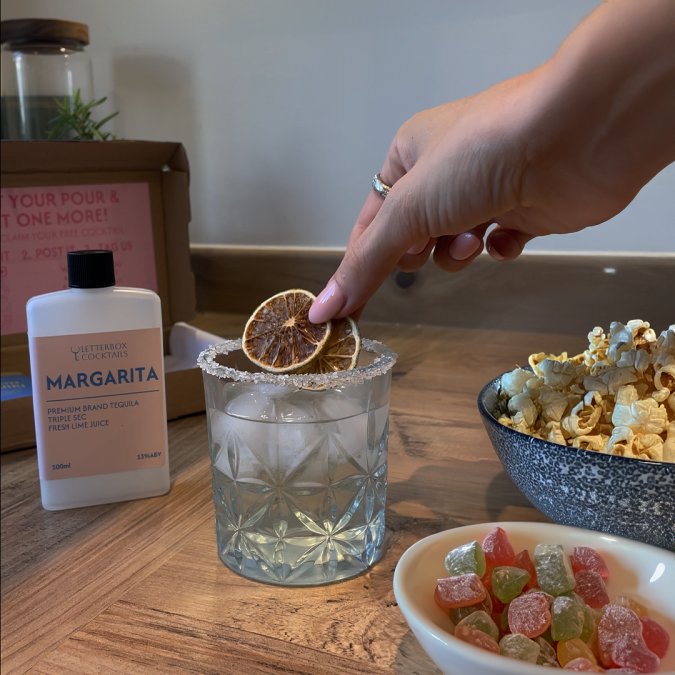
Spoilage is the quiet budget killer. Fresh citrus, herbs and opened mixers have a short shelf life, and a half-used lime is money in the bin. Many home bartenders buy for one recipe, then watch the rest go soft.
Supermarket brands versus premium labels changes the price far more than the taste in a mixed drink. In a stirred or shaken cocktail with strong mixers, the difference is often hard to spot. In a two-ingredient drink, it shows.
Here is the angle most guides skip. The real cost of a premium bottle is not the price on the label. It is the price divided by the number of drinks you actually pour from it before it sits forgotten at the back of the cupboard.
The rule of thumb most home bartenders land on is simple. If the spirit is the star, spend on it. If the spirit is one of five ingredients, do not.
There is a counterintuitive case where premium wins on cost. If a cheap spirit makes a drink you do not enjoy, you will not finish it. You will pour it away, or leave it in the glass, or stop making that cocktail altogether. That is the most expensive outcome of all, because you have paid for a bottle and a drink you did not want.
Batching cocktails for cost efficiency works because you buy in larger formats and pour with less waste. Making one jug for six people costs less per head than six separate rounds, and you spend less time behind the bar.
Ready-to-drink cocktail convenience makes financial sense when your time and effort are worth more than the ingredients. If you drink cocktails a few times a year, a kit avoids the half-used bottles and the spoilage that come with a full home bar.
It depends on how often you drink cocktails and how much equipment you already own. Making from scratch is usually cheaper per drink once you have the basics, but the upfront cost of spirits, mixers and barware adds up. Ready-to-drink options remove that upfront spend and the waste from unused ingredients, which suits occasional drinkers or anyone who wants a proper cocktail without stocking a full bar.
Simple two or three ingredient drinks are the most budget-friendly. A gin and tonic, rum and cola, or vodka lime and soda use affordable supermarket spirits and mixers, with no specialist ingredients needed. Avoid cocktails that call for multiple liqueurs or fresh herbs, as those push the cost-per-drink up quickly. The 2:1:1 rule (two parts spirit, one part sweet, one part sour) is a good starting point for cheap, balanced drinks.
A basic setup includes two or three spirits, a couple of mixers, fresh citrus and simple syrup. You will also need a shaker, a jigger and some glassware. The Bar in a Box Experience Cocktail Shaker (£8.00) is an affordable starting point. Glassware such as the Mirage set of 2 Tumblers (£14.95) or the Nick & Nora Mini Cocktail Coupes (£14.95) completes the kit without a big outlay. Total spend depends on which spirits you choose.
Add up the cost of each ingredient used in a single serve. For example, if a bottle of gin costs £20 and contains roughly 28 single measures, that is about 71p per pour. Add the cost of mixers, citrus, syrup and garnish, then divide any one-off equipment costs across the number of drinks you expect to make. This gives you a realistic cost-per-drink figure. Batching larger quantities reduces the per-serving cost further.
So is it cheaper to make cocktails at home? Usually yes, if you drink them often and keep your kit simple. If you host occasionally, the waste and half-used bottles can erase the saving. Letterbox Cocktails takes the guesswork out with premium ready-to-drink cocktails delivered through your letterbox, build-your-own boxes for personalised gifts, and glassware and shakers to complete the set. Get started with Letterbox Cocktails and enjoy bar-quality drinks at home without the setup costs.


£19.95 GBP
Unit price per